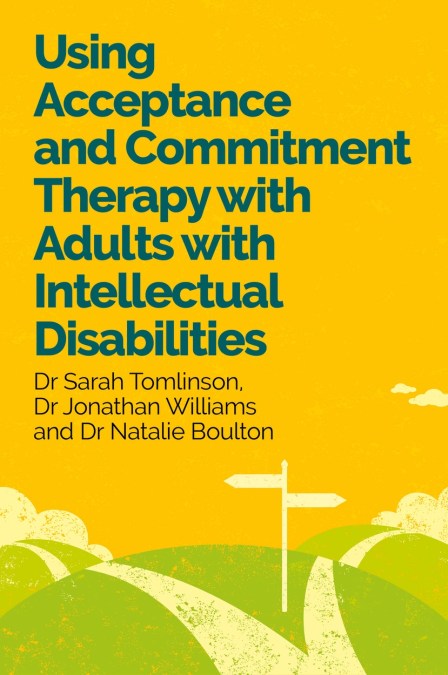
Adults with intellectual disabilities can often have their views and needs overlooked and are frequently not sufficiently involved in their own care or behaviour support plans.
The central focus on values in ACT helps people identify what matters to them, allowing the practitioner to instead truly support the values-based goals of the individual with intellectual disability. This first-of-its kind guide adapts an ACT model to ensure a meaningful, person-centered therapeutic approach for this group.
Readers are supported to understand the lifelong impact of cognitive difficulties, including trouble regulating or understanding feelings and distress from disability related trauma. With case studies, advice on session structure and ideas for exercises, this guide contains a wealth of resources for practitioners, supporters and wider networks.
The central focus on values in ACT helps people identify what matters to them, allowing the practitioner to instead truly support the values-based goals of the individual with intellectual disability. This first-of-its kind guide adapts an ACT model to ensure a meaningful, person-centered therapeutic approach for this group.
Readers are supported to understand the lifelong impact of cognitive difficulties, including trouble regulating or understanding feelings and distress from disability related trauma. With case studies, advice on session structure and ideas for exercises, this guide contains a wealth of resources for practitioners, supporters and wider networks.
Reviews
A must-read book for practitioners and anyone involved in delivering or commissioning support services. Compassionate, clear and practical, it's just what is needed to improve the quality of services for people with intellectual and learning disabilities. This is an important book showing how ACT can be adapted to be relevant for everyone in our community.
This important and timely book offers a clear, compassionate, and evidence informed guide to using ACT with adults with intellectual disabilities. Tomlinson, Williams, and Boulton bring expert clinical insight and practical tools to a population too often overlooked. A must read for practitioners seeking to promote psychological flexibility in accessible, respectful, and effective ways. I highly recommend it.